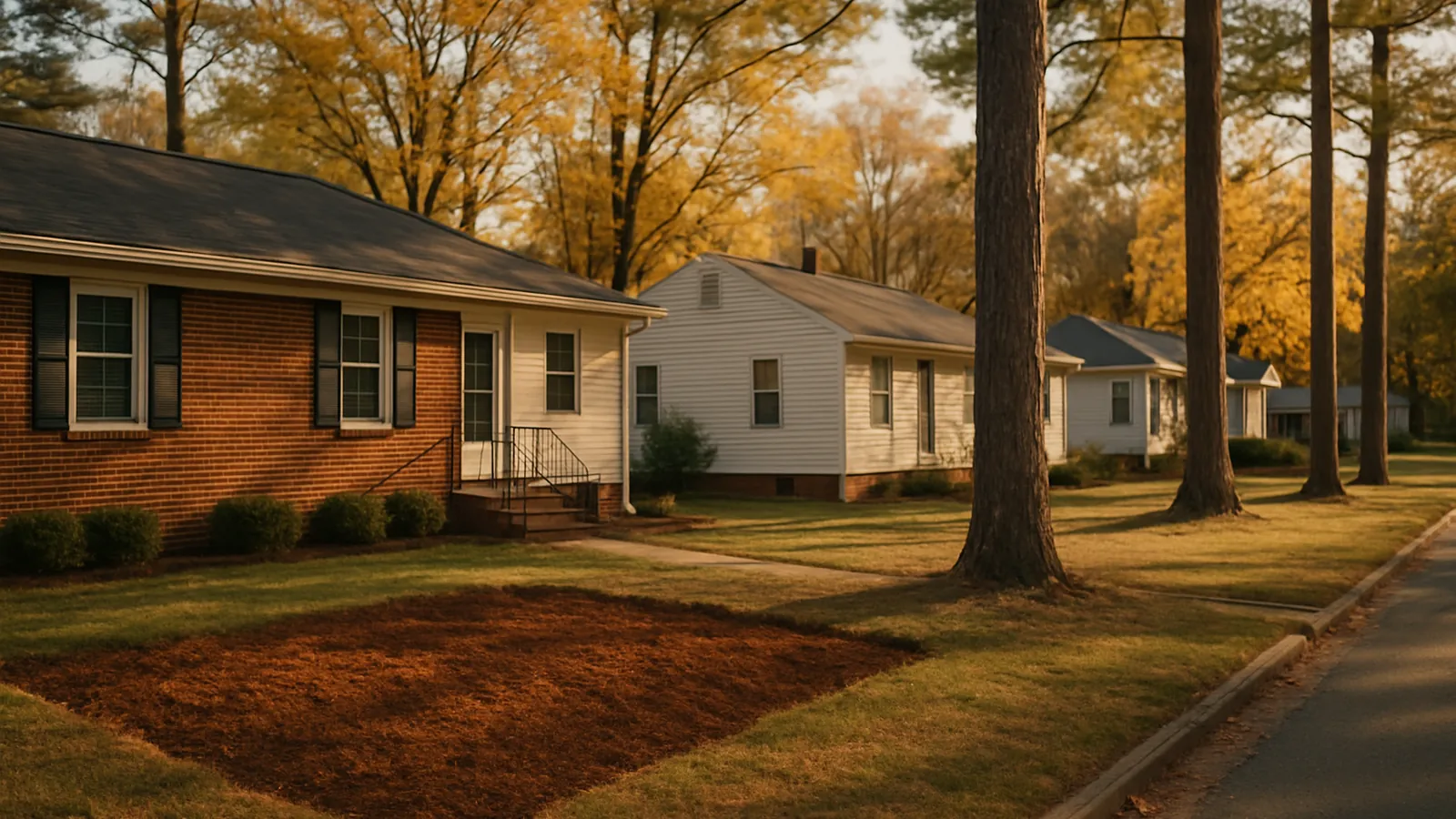
Mold removal in Wilmington runs $1,500–$6,000 for most homes, $2,500–$9,000 for crawl space work with sealed ground and dehumidification. Inspection with crawl space and attic entry. North Carolina licenses no mold contractors — ask for a scope written to IICRC S520.
Why this coast grows mold year-round, what the work costs, and what a real scope has to contain.
Four forces work on a coastal house at once
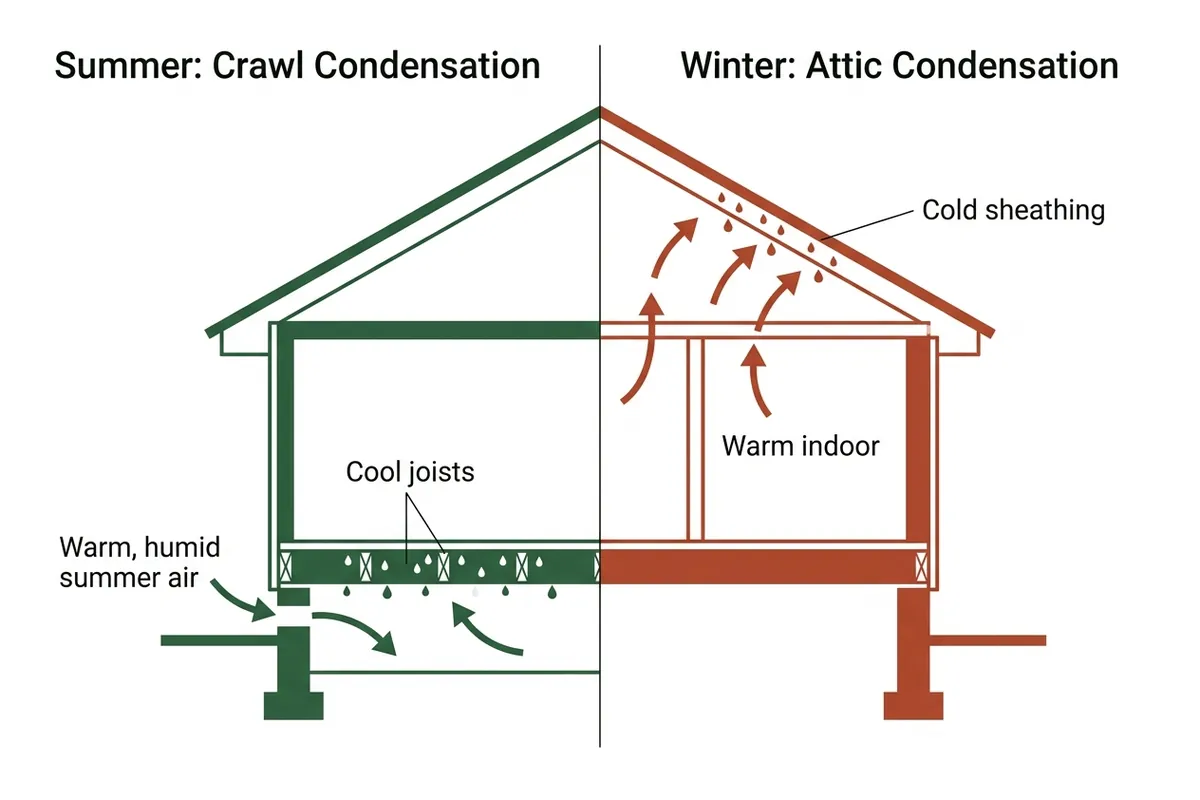
Most markets have one mold mechanism. Wilmington has four, and they compound. There is humidity with no dry season — roughly 58 inches of rain a year, with September alone averaging close to seven. There is a high coastal water table, so the ground under a crawl space is rarely truly dry and releases vapor upward continuously. There is salt air, which is not only a corrosion story: salt is hygroscopic, meaning it pulls moisture out of the air and holds it on the surfaces it has settled on, keeping framing damper than a humidity reading alone predicts. And there are storms — Carolina Beach recorded eighteen inches of rain in a single September 2024 event.
Any one of those sustains a mold problem. Together they mean a house here gets no natural recovery window, which is exactly why “it will dry out” is not a plan on this coast and why a scope that skips the moisture correction is a scope you will buy twice.
What the work looks like
| What you’re seeing | Where it usually starts | The work | Typical range |
|---|---|---|---|
| Musty smell, strongest near the floor | Dirt crawl space over damp ground | Crawl remediation, sealed ground, drying | $2,500–$9,000 |
| Visible growth on a wall or ceiling | A leak, or an interior humidity problem | Containment and HEPA removal | $1,500–$6,000 |
| Dark staining on attic sheathing | Storm-driven leak, or a bath fan venting inside | Attic remediation and air sealing | $1,500–$5,000 |
| Musty air when the AC runs | Wet coil, clogged drain, unsealed return | HVAC and duct cleanup | $1,000–$4,000 |
| Smell with nothing visible | Undetermined — needs readings | Inspection and testing | Often free–$900 |
| Storm water, burst line, roof failure | Bulk water on a 24–48 hour clock | Extraction and metered drying | $1,000–$8,000 |
Every number above, and what moves it, is broken out in the Wilmington cost guide — including the jobs where the honest answer is a dehumidifier and a sealed crawl space floor.
North Carolina licenses nobody for this — so vet harder
Worth knowing before you hire anyone, including the specialist who calls you back: North Carolina issues no mold-specific contractor license. There is no state credential to check, no state protocol to cite, and no regulator grading the work. Some states license assessors and remediators separately and bar one firm from doing both on a project; here no such structure exists.
So the diligence has to be yours, and three questions do most of it. Ask which written standard the work follows — IICRC S520 is the industry document, and a company that cannot name one is improvising. Ask to see the moisture readings behind the recommended scope; anyone who cannot produce them is quoting rather than diagnosing. And ask whether the scope names the water source and prices its correction, because on this coast a remediation that skips that is a subscription. Ask the specialist who calls you back the same three.
What the coast does to a claim
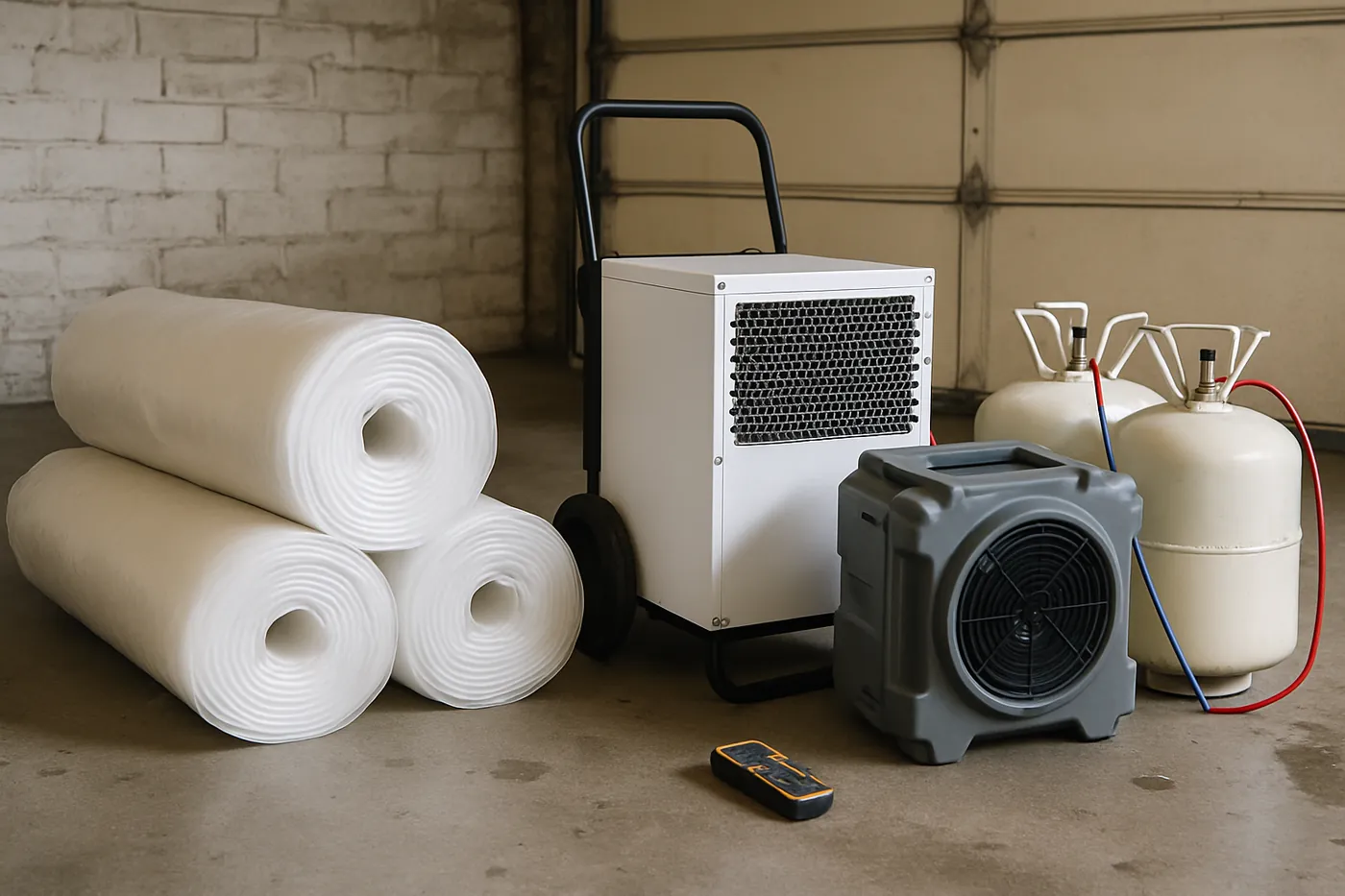
If a storm was involved, one distinction decides most of the money: wind-driven rain entering through storm-damaged roofing is typically covered by homeowners insurance, while flood — surge or rising water — is excluded and needs separate NFIP coverage. The same storm routinely produces both in one house. Photograph the water line before you clean anything; that single image is what separates the two months later. Details are on the insurance page.
How the inspection works
A good inspection starts outside, which surprises people who called about a smell in a bedroom. The exterior water path comes first — roof and storm water discharge, grade, where the last system left standing water. Then the crawl space with a moisture meter and a light: moisture content on joists and subfloor, humidity compared against the house, ground and barrier condition, and the metal — straps, hangers, and duct connections that salt corrodes while everyone watches the wood. Then the attic, then the rooms concerning you. Ask for photographs, readings from named locations, and a written, itemized scope with the moisture source named before you sign. Many local specialists don't charge for the visit; ask when they call.
Three questions get their own deep pages: what the color does and doesn’t tell you about black mold, why the AC system and ductwork distribute what they grow in a climate that never lets a coil dry, and how wind versus flood decides a coastal claim.
Mold questions Wilmington homeowners ask
How much does mold removal cost in Wilmington?
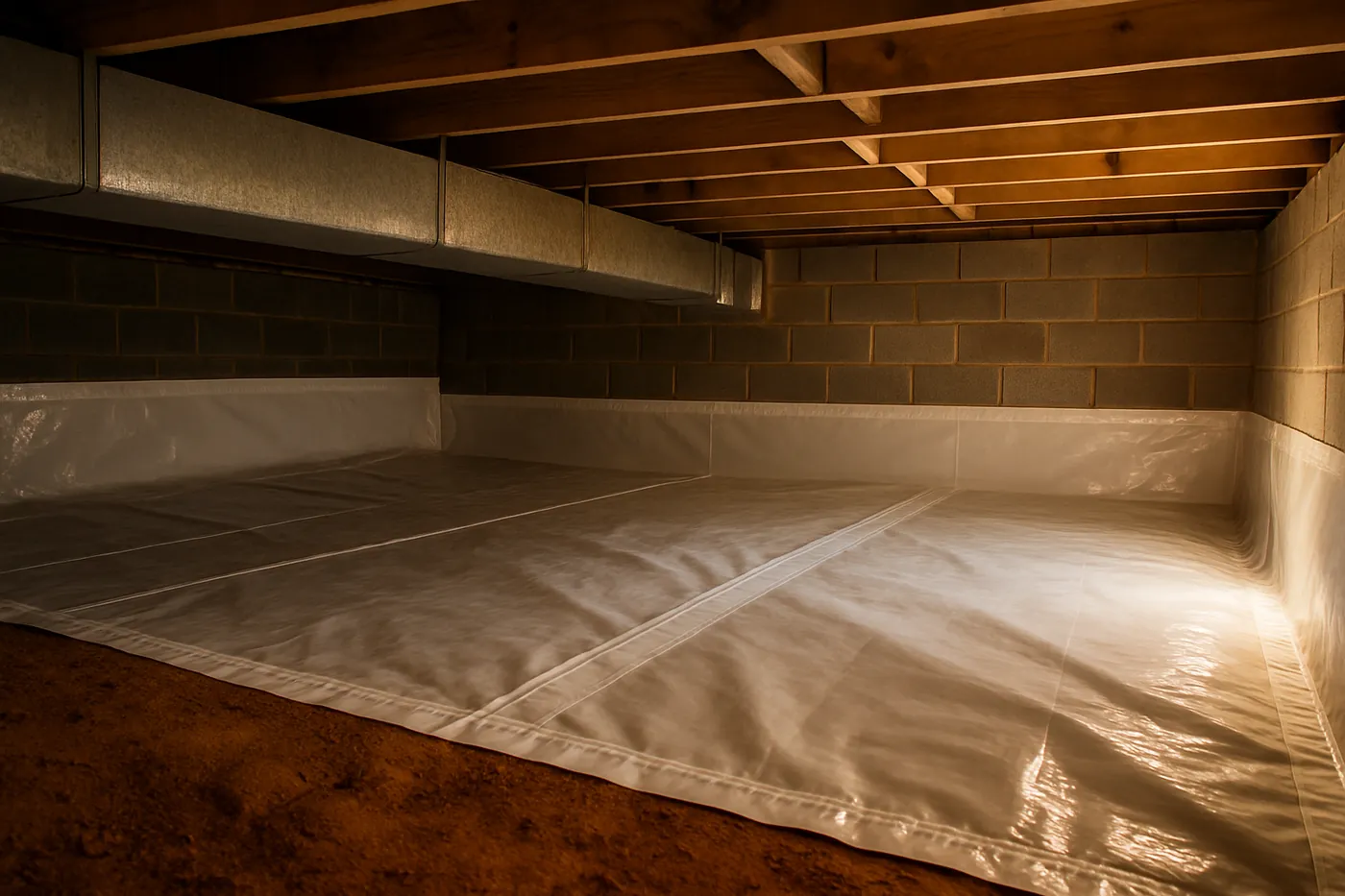
Most remediation runs $1,500 to $6,000, crawl space work with a sealed barrier and drainage runs $2,500 to $9,000, attics run $1,500 to $5,000, and HVAC cleanup runs $1,000 to $4,000. Whole-home or structural jobs reach $6,000 to $15,000. Many local specialists don't charge for the inspection; ask when they call.
Why is mold so common in Wilmington homes?
Four forces at once. About 58 inches of rain a year with no dry season, a high coastal water table that keeps crawl space ground damp, salt air that holds moisture on the surfaces it settles on, and hurricanes that deliver bulk water. Nothing here gets a natural drying window.
Does North Carolina license mold removal companies?
North Carolina doesn't license mold removal companies. North Carolina issues no mold-specific contractor license, which means the state certifies nobody for this work. Since the state gates nothing, ask any company you call, including the specialist who calls you back, which written standard they follow and to show you the moisture readings behind the scope. IICRC S520 is the industry standard that exists.
Is there a charge for an inspection?
Many local specialists don't charge for the inspection; ask when they call. A good visit includes crawl space and attic entry, moisture readings at named locations, the exterior water path, and photographs. Ask for a written, itemized scope before you sign, even when the answer is 'extend the downspouts, seal the ground, and you're done.'
How fast can someone get here?
A local specialist calls you back to set a time. How soon depends on their schedule. If water is coming in right now, call (910) 994-2131. Water damage runs on a 24-to-48-hour clock before mold becomes the problem, so call any time.
I'm buying a coastal house. Can someone check it before closing?
A coastal house can be checked before closing; mention your closing date when you call. Coastal housing hides moisture history well - a dirt crawl space that looks fine in a dry week may have been wet for months, and rental turnover means problems get discovered late. An hour before closing is the cheapest leverage you will have in a repair negotiation.
Mold removal across the Cape Fear coast
LelandHampsteadCarolina BeachWrightsville BeachCastle HayneOgdenPorters NeckSouthportWilmington Beach all service areas
Get a Wilmington mold inspection
Tell us what you’re seeing — a musty smell near the floor, dark streaks on attic sheathing, staining on a wall, water standing against the foundation — and we'll pass it to one independent local specialist. A good inspection goes into the crawl space and the attic. A local specialist who serves Wilmington will call you back.