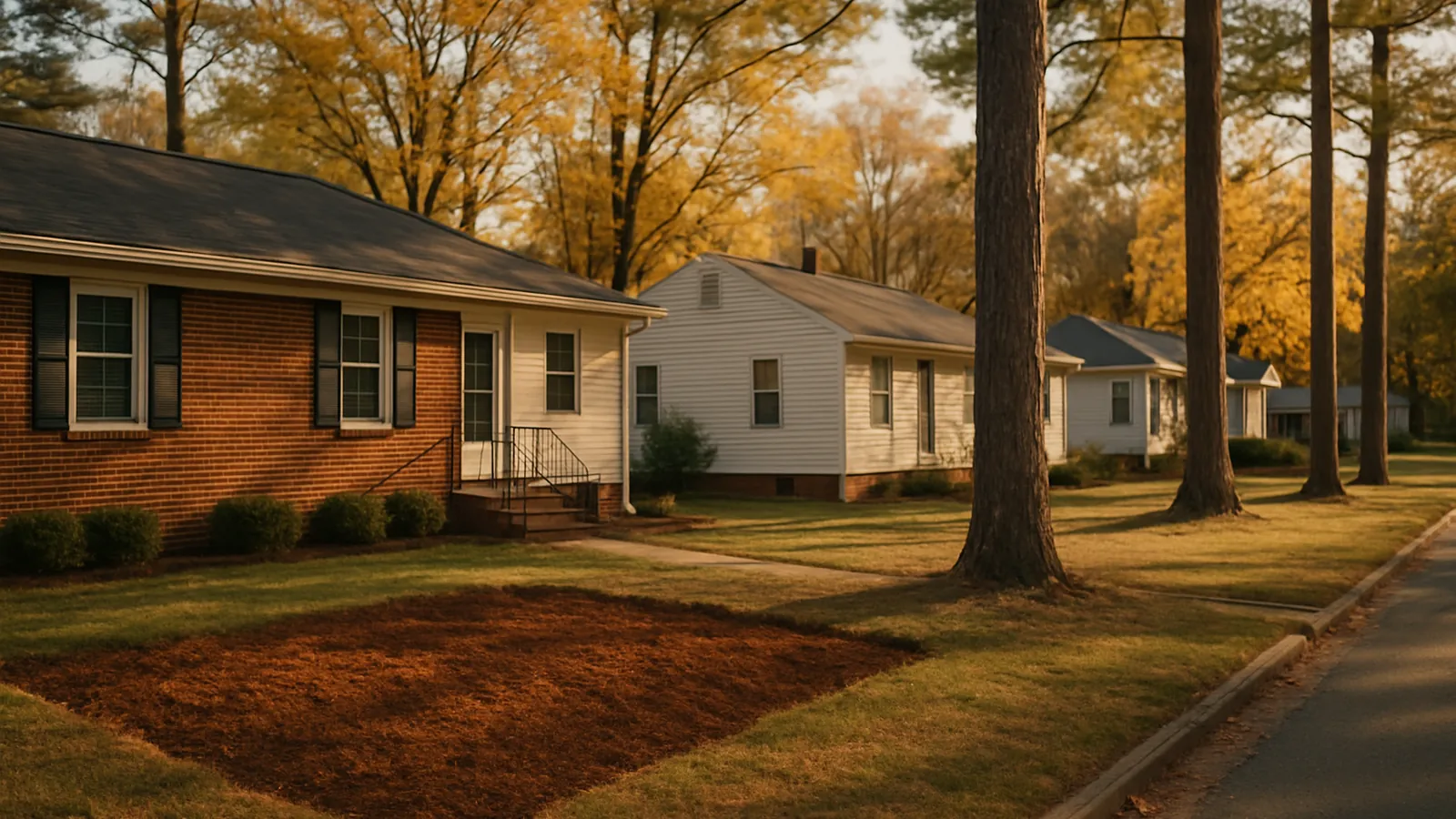
Wilmington Mold Removal Co. connects homeowners in New Hanover, Brunswick, and Pender counties with one independent local specialist, and explains one mechanism: water that damp coastal ground near a high water table will not absorb. A good inspection includes crawl space and attic entry with moisture readings, and a good scope names the water source.
For every price on one page, read the mold removal cost in Wilmington guide: what each job class runs, what moves an estimate, and what a written quote should show.
How good scoping works
Measurement first, then a recommendation, then a price. That is the order to expect. Moisture content on framing at named locations, humidity in the crawl space compared against the living space, the exterior water path walked before anyone goes inside, and photographs of what is actually there. Where the readings don’t justify a package, a good report says extend the downspouts and seal the ground. A company that never declines the larger sale isn’t measuring anything.
Why a good inspection starts outside
It surprises people who called about a bedroom. But on ground that passes less than an inch of water an hour, the exterior water path explains most interior mold in this market — where the downspouts discharge, whether the grade fell toward the house, whether the last storm left a pool beside the foundation that the soil still hasn’t taken. Twenty minutes outside regularly saves a homeowner several thousand dollars inside.
Removal, not treatment
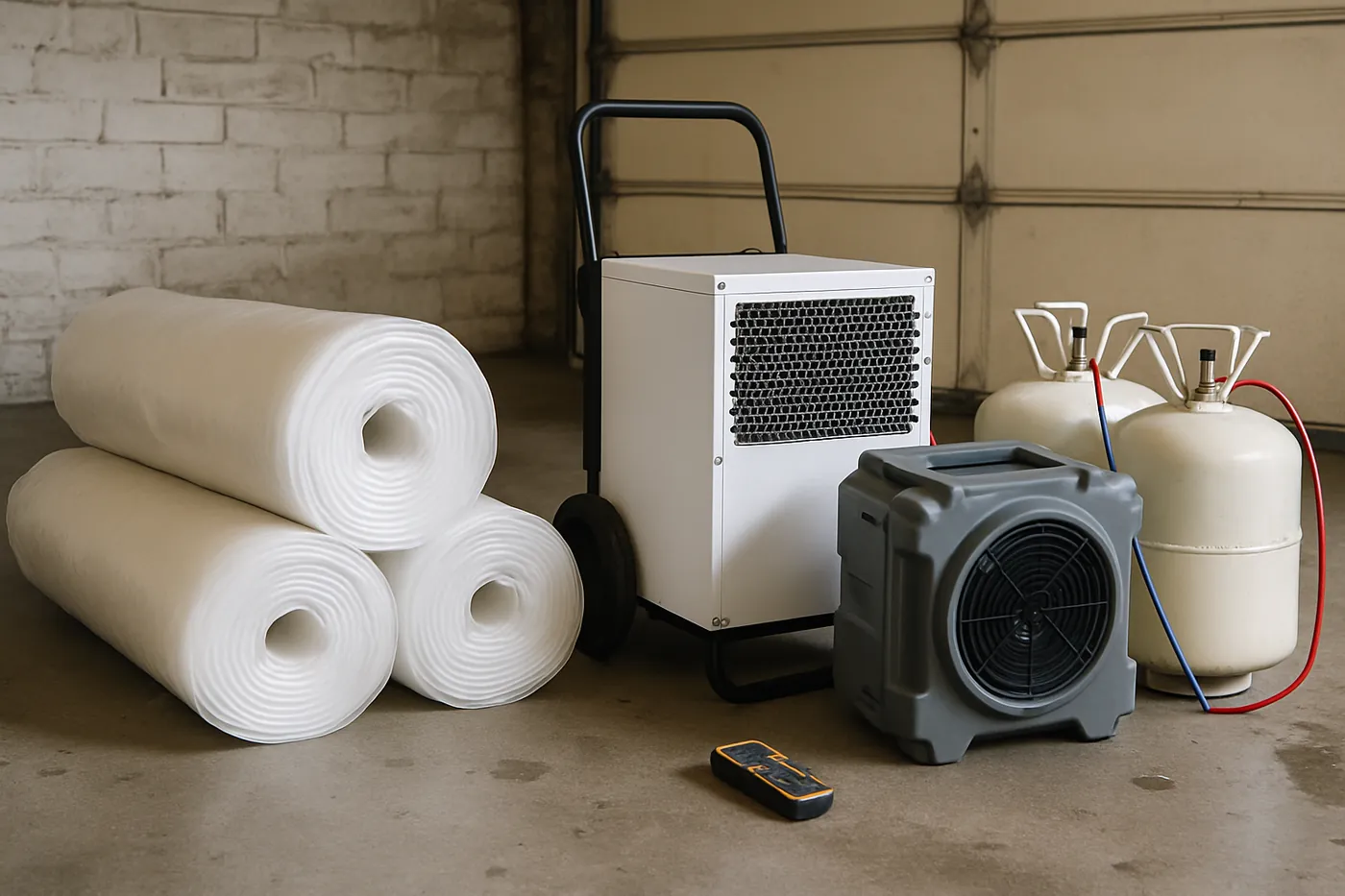
EPA guidance is direct, and a good specialist follows it: remediation means physically removing the growth and the porous material it colonized, inside containment, under negative air pressure, with HEPA filtration. Mold does not need to be alive to cause a problem, so killing it in place finishes nothing. Fogging, ozone, or antimicrobial spraying is not a substitute for removal, so be wary of any bid built on one.
About North Carolina’s missing license
We would rather tell you this than have you find it out later: North Carolina does not license mold contractors. The North Carolina sets no mold standards, requires no testing protocol, and accredits nobody for this work. There is no state credential for you to check on the specialist or anyone else. What exists instead is the IICRC S520 standard, which a sound scope should reference and follow. Ask the specialist who calls you back which standard they work to, ask for the readings behind the recommendation, and ask whether the scope names the water source — then ask every other bidder the same three questions.
What not to pay for
- Opening more crawl space vents to dry it out. Through an North Carolina summer, outside air is wetter than the crawl; venting delivers the moisture rather than removing it.
- Ozone or fogging instead of removal. It changes the smell for a while and leaves the colony in the material.
- Duct replacement before the coil and pan are inspected. That is selling a package rather than making a diagnosis.
- A dehumidifier over bare dirt. Seal the ground first or the machine runs forever against an unlimited source.
- Testing you don’t need. If the growth is visible and the water can be traced, a lab sample confirms what you already know.
Get a Wilmington mold inspection
Tell us what you’re seeing — a musty smell near the floor, dark streaks on attic sheathing, staining on a wall, water standing against the foundation — and we'll pass it to one independent local specialist. A good inspection goes into the crawl space and the attic. A local specialist who serves Wilmington will call you back.