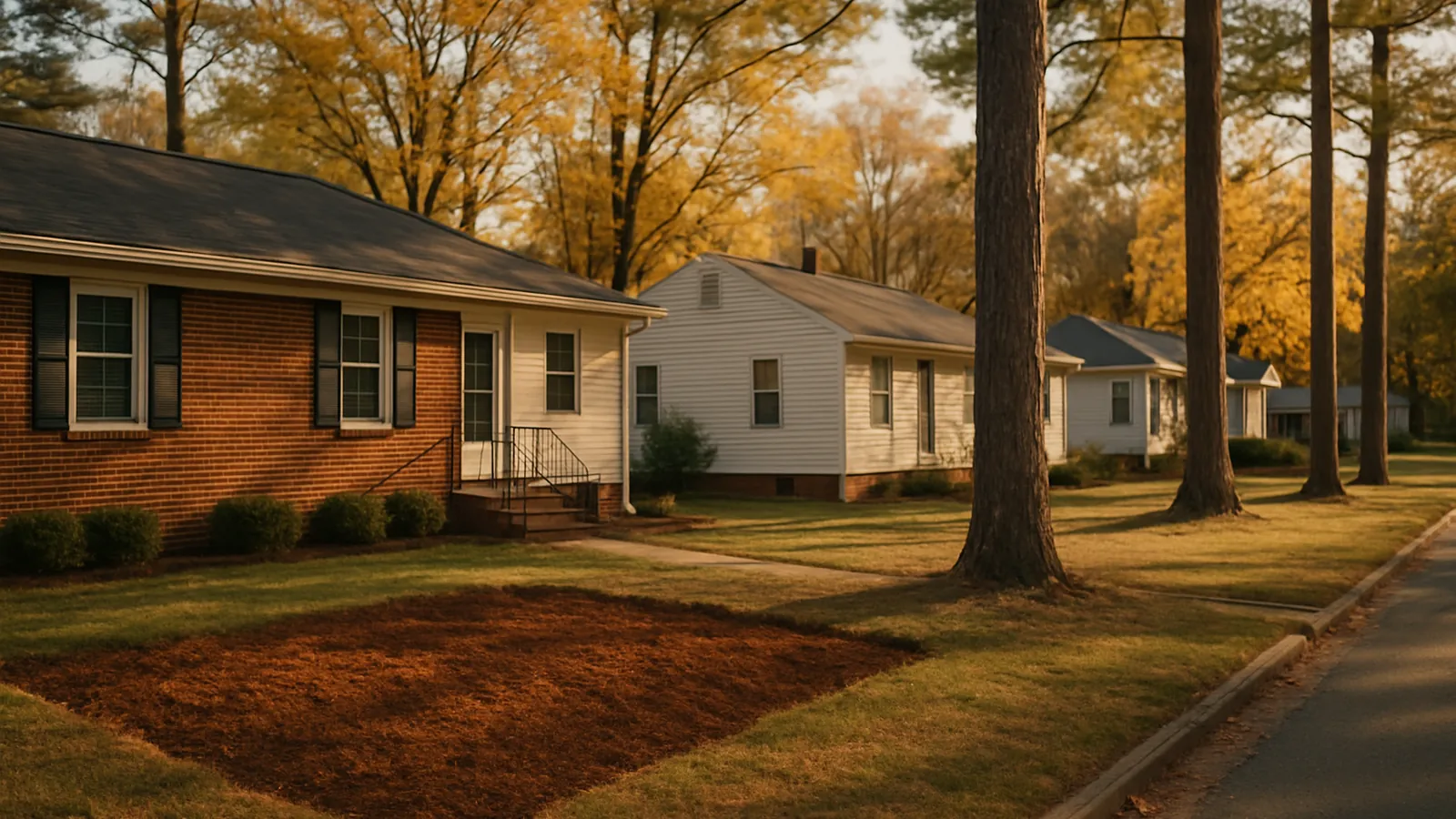
Many local specialists don't charge for a mold inspection in Wilmington; ask when they call. A good one covers a visual assessment with moisture readings and crawl space and attic entry. Lab testing runs $300–$900 when the question needs a number: a hidden source, a purchase, an insurance dispute, or independent post-work clearance.
What the visit covers, when the lab earns its cost, and what clearance actually proves.
What an hour actually covers
A good inspection starts outside, which surprises people who called about a smell in a hallway. On this coast the exterior water story explains most interior mold: where roof and storm water discharges, whether the grade carries it away, whether the last tropical system left water standing where the ground could not take it. Inside, a moisture meter reads framing and drywall at named locations — not “the crawl space was damp” but a number at a specific joist, recorded and photographed. Crawl space and attic entry belong in every visit, because the cause is frequently not in the room where you noticed the problem.
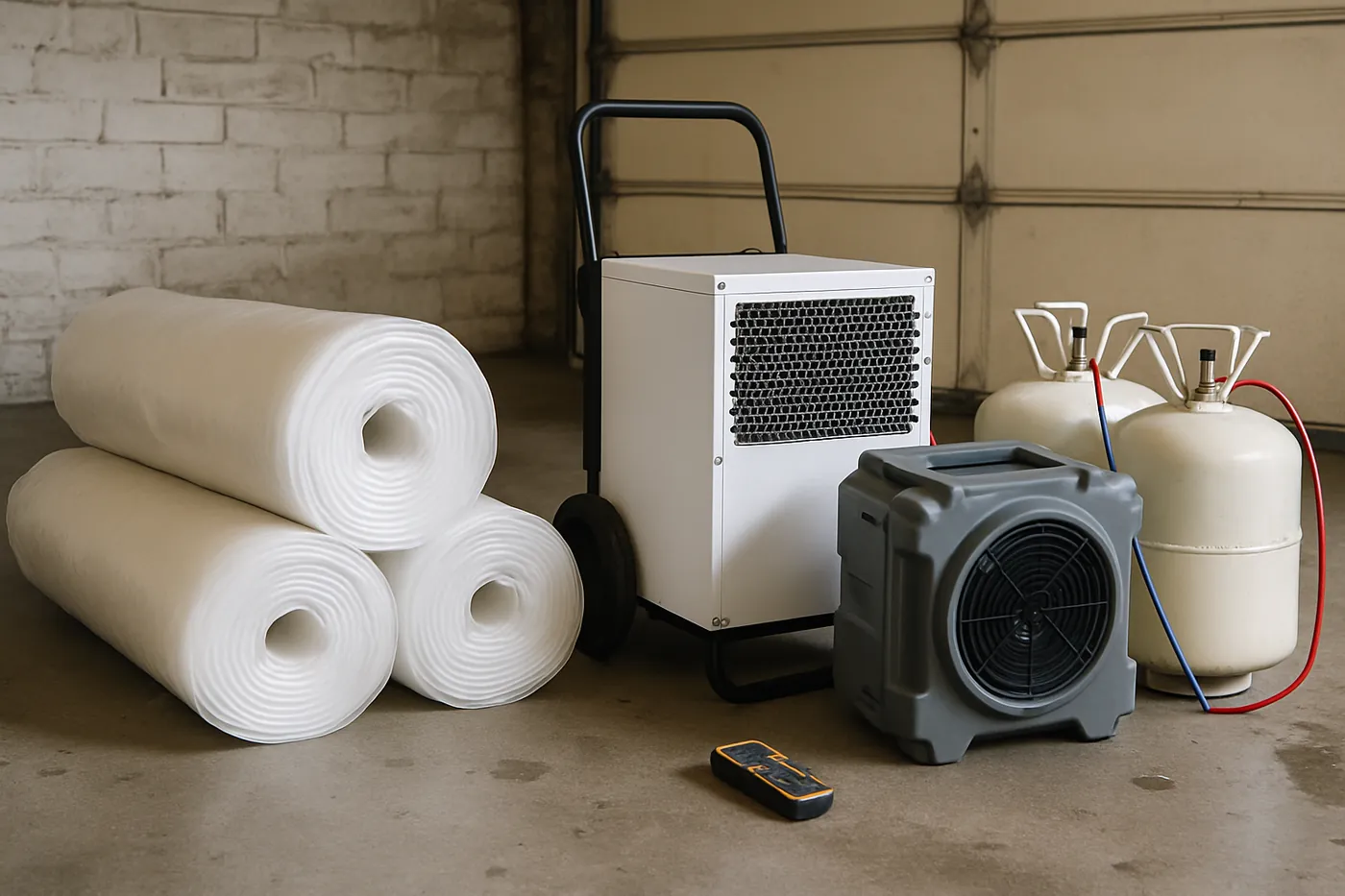
When a lab sample earns its cost
| Situation | Testing worth it? | Why |
|---|---|---|
| You can see the growth | Usually no | A sample confirms what your eyes reported; spend it on removal |
| Musty smell, nothing visible | Yes | Air sampling narrows a hidden source before anything is opened |
| Buying, or a seller dispute | Yes | Documentation that holds up in a negotiation |
| Storm claim being contested | Yes | Adjusters respond to lab data and dated readings |
| Work just finished | Yes — independent | Clearance should come from someone who did not do the removal |
What clearance testing actually proves
Worth understanding before anyone quotes you one. Post-remediation verification checks three things: the work area is visibly clean and dry, containment held, and airborne spore counts inside sit at or below an outdoor baseline taken the same day. That outdoor comparison is the part people miss — spores exist everywhere outdoors, so “zero” is not a standard and any company promising it is selling something. Keep the report; it is what you hand a buyer, an adjuster, or a landlord when the question resurfaces.
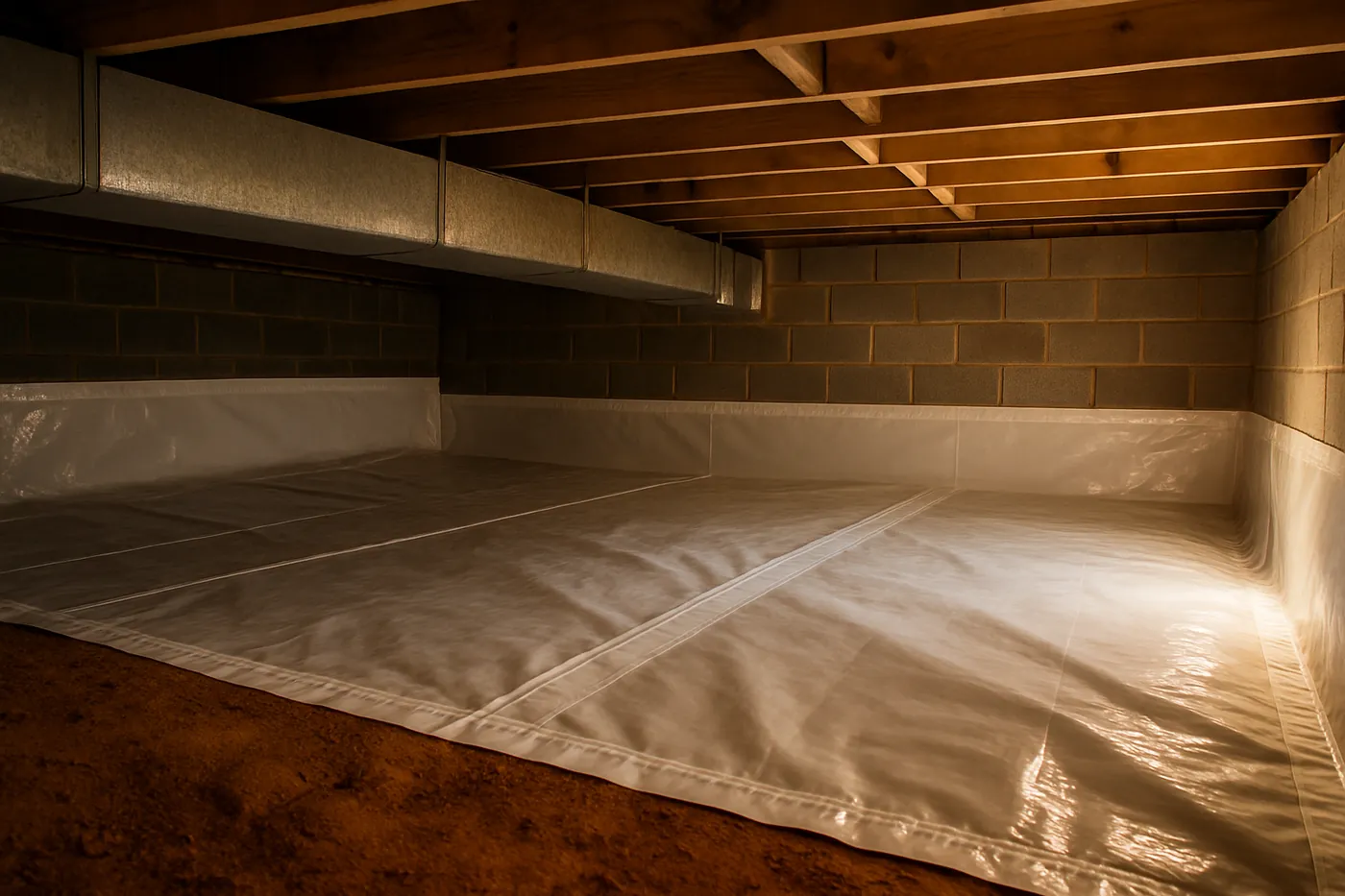
When an inspection turns into mold removal
Most inspections here end one of three ways. Some end with nothing to sell — the smell traces to a damp towel closet and a bathroom fan nobody runs, and a good specialist says so. Some end with a few hundred dollars of exterior work: extend the downspouts, correct twenty feet of grade, clear the storm path. The rest turn into a scoped mold removal with a price on each line, and the readings from the visit should justify every line in it. Because North Carolina licenses nobody for this work, that written trail is the only real accountability — ask that it reference IICRC S520 and that each price sit within the ranges in the cost guide.
Inspection questions, straight answers
What does a mold inspection cost in Wilmington?
Many local specialists don't charge for the visual inspection with moisture readings, including crawl space and attic entry; ask when they call. Lab testing runs $300-$900 depending on how many samples the question requires. Most homeowners never need the lab work - when the growth is visible and the water can be traced, a sample confirms what you already know.
When is testing actually worth paying for?
Four situations: you smell it but cannot find it; you are in a purchase or an insurance dispute and need documentation; someone in the house has symptoms and a doctor asked for data; or the work is finished and you want independent clearance. Outside those, testing usually confirms the obvious at a cost.
Should I test before buying a coastal house?
If it has a dirt crawl space, if anything smells musty, or if the disclosure mentions past storm water, yes. Coastal housing hides moisture history well - a crawl space that looks fine in a dry week can have been wet for months. An hour before closing is the cheapest leverage you will have in a repair negotiation.
What happens during the inspection?
About an hour. Exterior water path first - where roof and storm water goes, how the grade sits, whether the last system left standing water. Then the crawl space with a moisture meter and light, then the attic, then the interior areas concerning you. Ask for photographs, readings from named locations, and a written scope.
Should one company do both testing and removal?
It is a fair thing to ask about. A company grading its own work has an obvious incentive. For post-remediation clearance, use an independent tester, and ask that the removal scope not depend on the remover's own sample results.
Get a Wilmington mold inspection
Tell us what you’re seeing — a musty smell near the floor, dark streaks on attic sheathing, staining on a wall, water standing against the foundation — and we'll pass it to one independent local specialist. A good inspection goes into the crawl space and the attic. A local specialist who serves Wilmington will call you back.